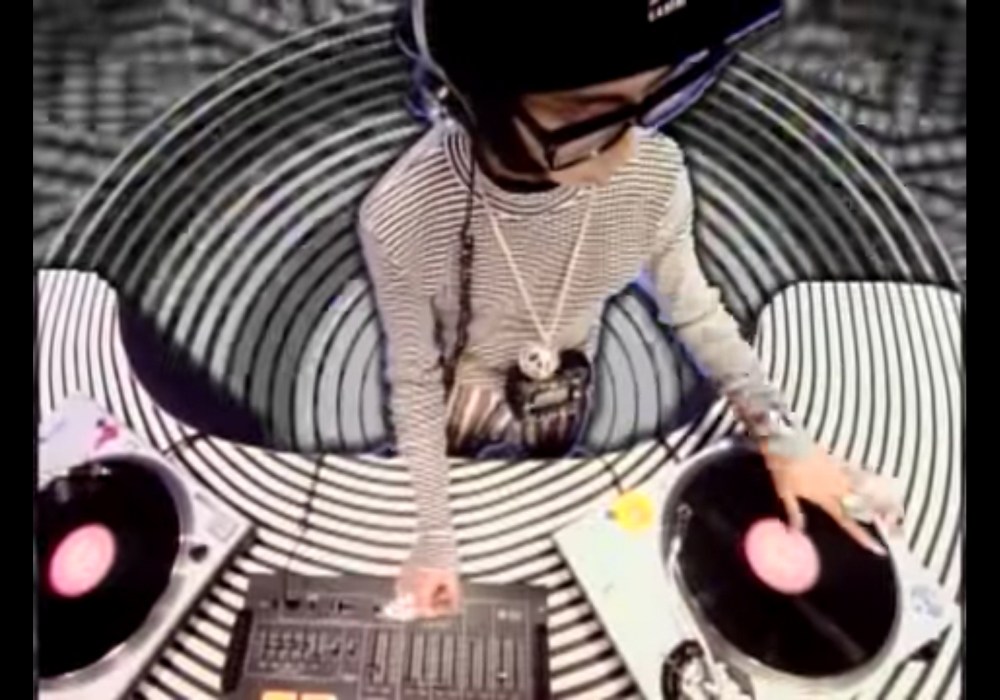
Clement Meadmore and mid-century Melbourne design
Design fans rejoice.
- Clement Meadmore = 1950s furniture designer. ✓
- Think ‘Grandfather’s Axe’.✓
Fun facts:
- From Melbourne.
- In the NGV collection
- Quite fetch
#midcentury #design #slv
Register here
Design fans rejoice.
Fun facts:
#midcentury #design #slv
Register here
Breakfast law. What better kind? 5 December: find out about your obligations:

Did you know: If you become liable under a DPN then the ATO will treat your liability just as it would treat any ordinary tax debt payable? Fun, right?
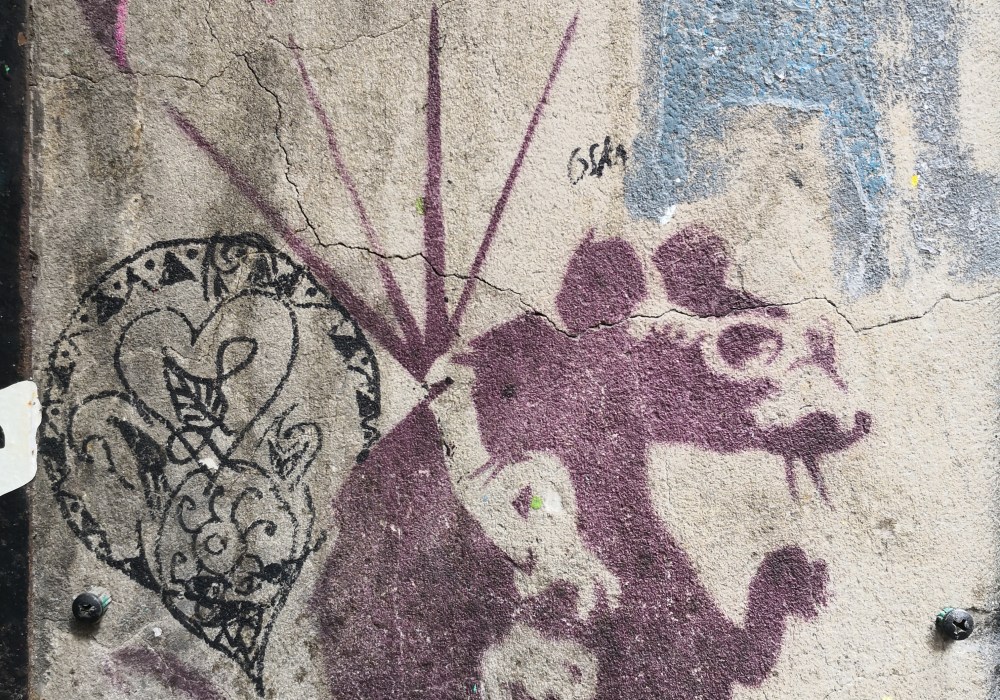
Meet the Kardar–Parisi–Zhang-ians.
With a name like ‘Beyond the Gaussian,’ (aka the bell curve) there remains the fact that this is presented by the School of Maths and Statistics @unimelb.
I hear the sound of many low flying planes overhead. But: #systems and the promise of two universal truths… #giveitaburl
FREE PUBLIC LECTURE
Wednesday 07 Nov2018
5:00 pm – 6:00 pm
Details here
I’m several weeks into living as a digital nomad in my home town, Melbourne Australia.
As can be seen from the blog calendar, I’m successfully hacking the city, numerous times a day. Even if it isn’t strictly “digital”.
(All that matters is that it’s being blogged about. In certain quarters ‘that counts.’ It’s proof of digital life.)
For those of you who haven’t kept up, I spent 2017 and the first half of this year, traveling the world with some self-styled ‘digital nomads’, researching the future of work; ‘learning by doing,’ ticking off the bucket list and seeing and doing All of the Things.
Whilst I was out of the country, I’m reliably informed that I was ‘that friend’ on Facebook, the one with the status updates that leave you full of envy, and make you wonder how on Earth can they be doing this? So that was nice to learn when I got back.
No one ever tells you, when this is happening, that it’s going on. I’m not sure whether finding out I had an audience would have prompted me to get onto Instagram or not.
I don’t quite see the point of Instagram. I have a place I show pictures and a cloud where they are stored. We are done here, surely?
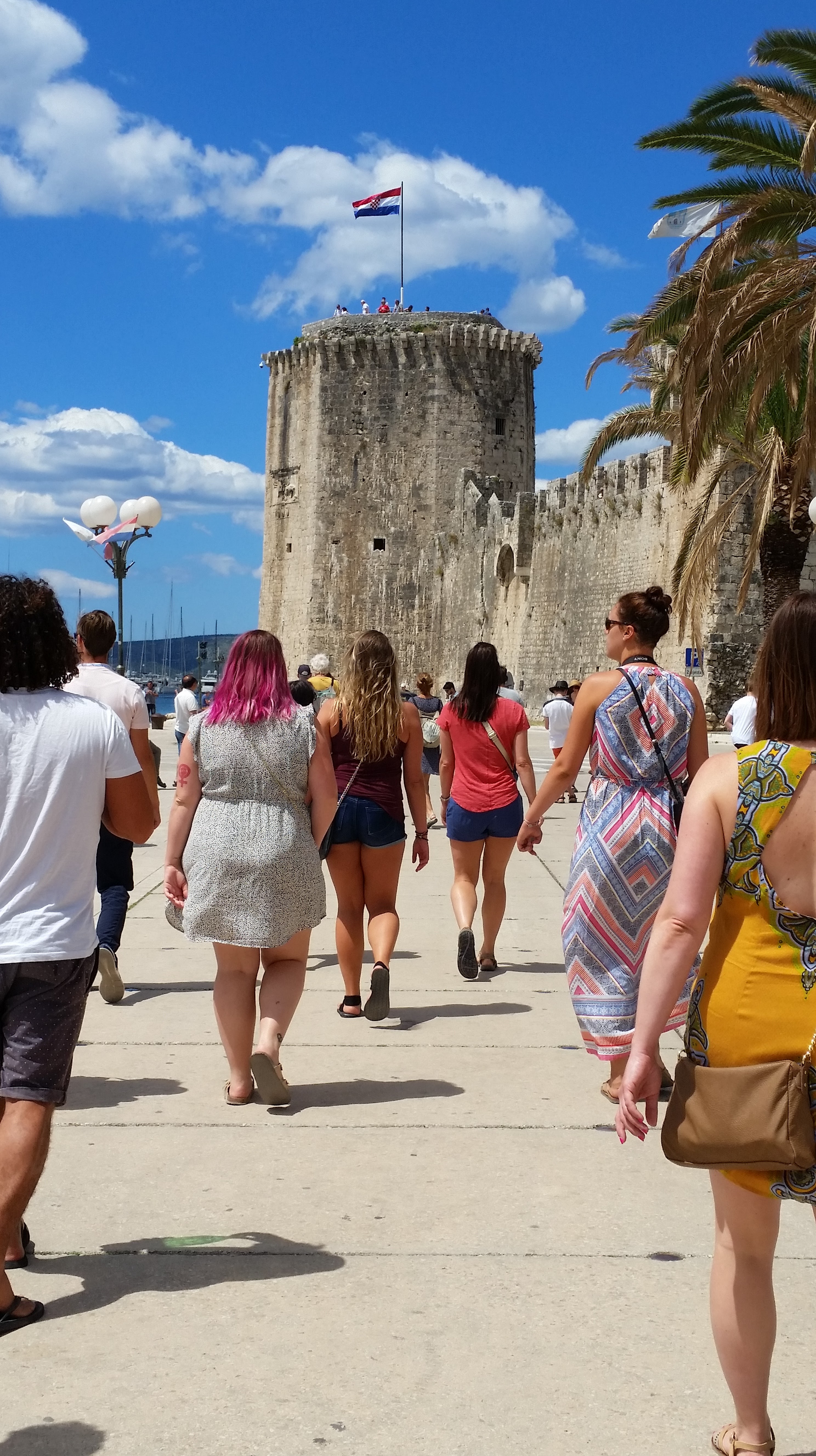
You only have to see my snaps from Venice; London; Budapest, Prague, Vietnam, Chiang Mai, Cuba, Buenos Aires, Mexico City, Las Vegas, Morocco and Peru to know that I had a wonderful time; (how could I not?) and that the worst part about this list, from your perspective anyway, is that it’s only some of the 23 countries I visited.
Hahaha. Yes. I am rubbing it in.
Across the year I learned:
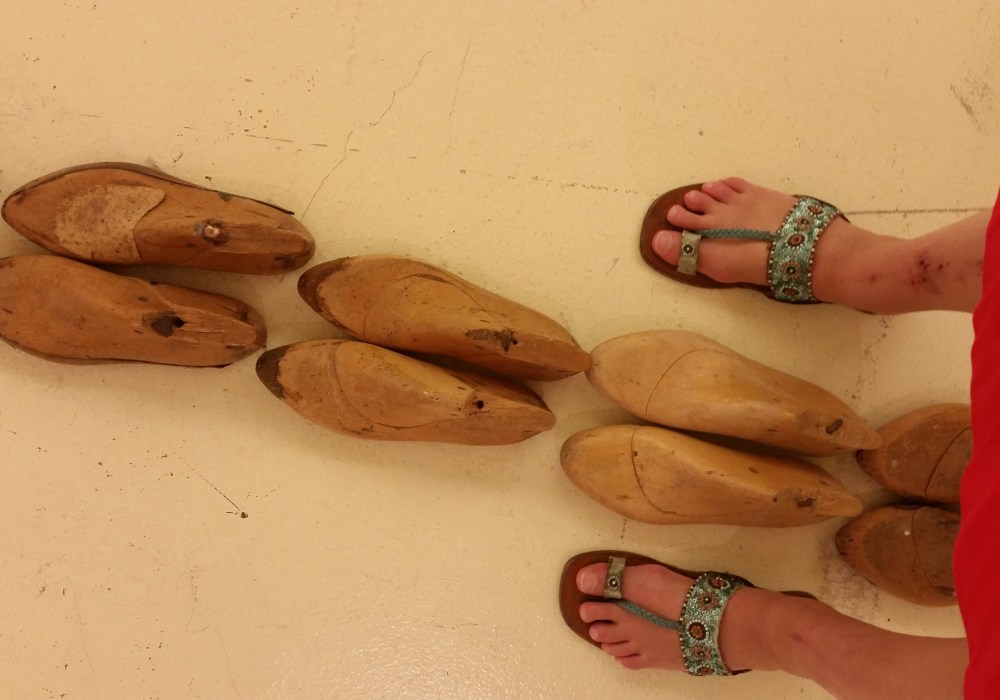
My message to you if you are in my shoes, and you are sans kids, sans job and sans mortgage:
Go for what’s achievable, especially if:
Hello Mexico City, Hoi An and Kuala Lumpur. I am looking at you!
On the dark side:
There is a certain amount of patience that’s required to deal with living at close quarters with a variety of people.
People have different expectations, and I am no different.
Or am I?
I wouldn’t say that I’m wilfully contrarian, in as much as it isn’t something I cultivate, (I don’t think, others may have a different view,) but I do find it really hard to just do what everyone else is doing, if it makes no sense or brings me no joy.
This latter idea is a concept the Japanese apparently practice and it forms the basis of Konmari, a decluttering practice in which the joy that something brings you is the measure of whether it should stay or go. (I think it’s wider implications: for life and people, are fairly evident but I need to write a book and call it BroElle. I am never going to write that book or read Marie Kondo’s stuff.)
The thing that I appreciated most about the year of travel with my nomads was that my apartments were all well appointed, fairly new and really comfortable; that when I landed, there was someone to hand me my key, my sim card, a bottle of water and take me straight to my home, with its bed, drinking water, towels and toilet paper ;and someone to book all of my flights, which is something I spend a lot of time doing, to ensure I get the best deal, sometimes at the expense of half a day seeing Venice, (for example). Then there was the friendships that I made with ‘the people like me’. This was more of a challenge.
The ‘people like me’ (or at least not wildly, unlike me, to the point of having nothing in common,) were seeking authenticity and honesty in their relationships and their own version of a great experience packed with whatever highs and lows, content, experience and personal and interpersonal challenges the day, the location or the month might bring.
The people not like me, made it really very hard for us to find one another. On the one hand, that’s OK. We were the odds ones out. But it took months of all of us tending to keep to ourselves, because we found it so hard to enjoy being in the bigger group.
The whole group consisted of mainly millennial, mainly Americans largely working in jobs that they didn’t seem to enjoy very much. They had every right to want to form a tribe.
But.
I have a thing I call “festival face.” It’s a face full of anticipation that’s searching in the distance for the fun at a street festival, while its wearer determinedly weaves, eyes fixed, through a crowd of people, who are also walking, but in the opposite direction, and all of whom are wearing the exact same expression. Festivals are mainly excuses to drink and eat in places that you’re normally not allowed to; to walk where cars would normally be, and that’s about it. But a festival is meant to be fun. And there’s the rub. How many of you are in the moment, right now, with your friends, having fun and how many of you are looking ahead, paying no mind to what is happening here and now and dragging your companions along a boring, busy determined path that you don’t know what’s at the end of it, or whether it’s worth it, in the expectation that if we all just keep moving forward then the fun will eventually present itself?
Examples of things that bring others joy, that I have to admit I just don’t enjoy, include following any kind of sport or sports team.
I don’t mind you having your passions, but it doesn’t or shouldn’t detract from your enjoyment that people around you don’t share them. The same as it doesn’t make you a bad person if you don’t like what I like, it is OK that I don’t enjoy watching sport.
But most of my tribe weren’t like that. They took it personally if someone didn’t “participate,” by which they meant follow the crowd in all of its things, all of the time. Bear in mind. This is a crowd pinging between excessive drinking, poor diet, the gym, one night stands, Netflix, selfies and all night dance parties.
I like art as much as most people like sport. My interest was sparked because I think I felt a bit sorry for art. As though not enough people like art. Compared to sport, it’s an underdog. My liking art reflects that I think it’s treated poorly. I think.
Now imagine a world in which art was discussed as often as sports is, and you will have some idea what it’s like for me to be around people who want me to like sport.
Why try to force the issue? I do understand that they probably just want me to share something they care about with them. And that’s great. It is. But here’s an idea: let’s find something that we have in common. Unless you’re robust enough to discuss what I don’t like about sport with me, knowing that I don’t enjoy it in which case, please proceed.
Ain’t nobody got time for catching up on twenty years of not paying attention to sport.
Returning to the subject to hand, I haven’t got the benefit of a lifetime growing up in America, with its weird social pressures to overshare, about some things, and stay silent about others.
I only have TV to go on, and obviously that would be sit coms, which are very instructive, but hardly complete in what they prepare you for.
(Did you know, for example, that it is more socially acceptable to tell someone the intimate details of your sex life, than to instigate a conversation about women’s rights, machismo, ethical volunteering, religious beliefs and practices, politics or cultural differences? By which I would mean, important things. interesting things. Things worth talking about. )
I loved traveling with the program, for its flexibility around my leaving my stuff while I wondered out into the world to do my own thing; and for taking care of the time consuming administrative stuff that left me free to fill in the gaps; and for the small number of organised group activities we had to choose from each month: hot air ballooning, sand surfing, cooking and cocktail making amongst them, but when you’re radically unlike the majority in a group and the group is plagued with people pulling festival face, I am going to notice, and call it as I see it.
I am paying for this once in a lifetime experience too, and I want what I paid for.
At times I had organisers demanding that I “participate” without defining what they meant by that. I asked. They didn’t clarify. If I did participate they seemed equally dissatisfied. Picture this: Day one, someone yelling “Woo!” a lot and expecting many of them back in return, when it’s 7am; I haven’t had coffee, and I have literally just recovered from three days of food poisoning (during which time not one of them enquired after my well being). Yeah. You can betcha I am going to shoot daggers at you.
I admit I did laugh when I was offered krav maga lessons from a short man with a faux hawk. Ha! No.
If I can see people using coercion in a workplace, to create an atmosphere of artificial, TV advertorial fake happy clapping; or else it’s clear to me that if I pause to pay attention and take the temperature of the room, there are people around me, who are faking that they are happy and in agreement, and having fun when really they’re not: it matters.
I weigh up my preparedness to join in, against what I am really feeling and what I can see is actually happening, and I respond accordingly and proportionately. Unless I haven’t had coffee. Then it’s just “a hard no” to most things until priorities have been taken care of.
Being two decades older than most of my companions (but by no means the oldest) and one of three Australians, in a group primarily made up of Americans, as well as someone used to traveling solo, who enjoys spending time in my own company, I expected to have to compromise.It’s only fair and reasonable and right.
It isn’t up to me to say one way or the other that I did or didn’t do compromise or come to the party enough, but I found myself keeping an eye out for risks that other people were taking enough to know that my goal of not taking responsibility for other people I didn’t have to was a good goal to set for me.
I travelled with young Americans, and unlike the Bowie song they seem to believe that aiming to be in an unnatural state of constant positivity is required of them, as without it they cannot be accepted or approved of. They won’t have friends and they are not likeable.
When we started drilling into feelings, at about month four, it transpired that a lot of them had not lead uncomplicated lives, in which nothing had ever gone wrong for them, that they should always have to be happy, and yet they saw this as something that was wrong with them that needed to be repressed, Exorcised through exercise, podcasts and colouring books.
What I found was a group of people perfectly willing to demand positivity, while bullying anyone not like them; who required everyone to think and act and speak a certain way; who couldn’t face reality if it was not nice or worse, if it was actually, very bad; and who lived their lives with blinkers on, censoring some things, but not others, out of fear of being disliked or judged and found wanting if they didn’t conform, and who spent time and energy pressing and coercing others into also self censoring and joining the pack, because if they didn’t succeed in this act, then they might have to face the consequences of their own choice to allow peers and authority figures to force them into being something they weren’t.
My peeps know who they are, and just because the whole group wasn’t whole, does not mean that anyone did anything wrong.
Unless it was before 7am and I have not had coffee…
*A woo-preneur is a special type of man made disaster.
A human black hole, whose self-development arrested when they were pre-school aged, or possibly even, a baby, (if we’re being Lacanian about it.)
Generally, they “sell” something that nobody needs, and more often than not they are not actually generating any income from the work that they “do”.
They invest all of their energy into coming up with strategies and plans for duping the gullible into letting them have the things that they want, no matter the cost to the mark.
A fool and their money are soon parted is their modus operandi.
A woo-preneur drains other people’s wallets, time, resources, attention spans, and their will to live. They punctuate the schtick they spew, with an excited, cheerful and unjustified woot! No matter how at odds with what they’re really saying or feeling “woot” actually is.
They’re individuals who’ve convinced themselves that the only point to existence; the main reason we were given a life to live; is to take things that don’t belong to you, without any thought for whether you should, or could earn them, the way that your victim has; or any mind for the harm you may be doing.
There is no sense of your needing to be a better person than the worst person you can possibly be, as long as that person is self satisfied.
Woo-preneurs love neurolinguistic programming, (am I right? Do you know what I mean?) and Tony Robbins is almost always cited as a role model, (although the Kardashians are probably as big a template.)
They don’t seem to grasp the point of charity, or the concept of deserving-ness; what a work ethic is, or the idea of needing to earn the things that they want.
They aren’t lazy, because it takes energy to be this awful, but they do create the strong impression that they weren’t made to be self sufficient, fully formed, or politely ignored. Annoyingly, there is no amount of attention that could be paid to them, that they wouldn’t want more, but like Narcissus in front of the mirror, the most annoying thing about this ‘look at moi’ behaviour is that when you give them your attention, they do nothing with it. Once it’s paid to them, the fact of it seems to be enough.
They’re people whose aim is to have every relationship serving their needs: financial, emotional and physical, without reciprocity.
And some are better than others at playing the game.
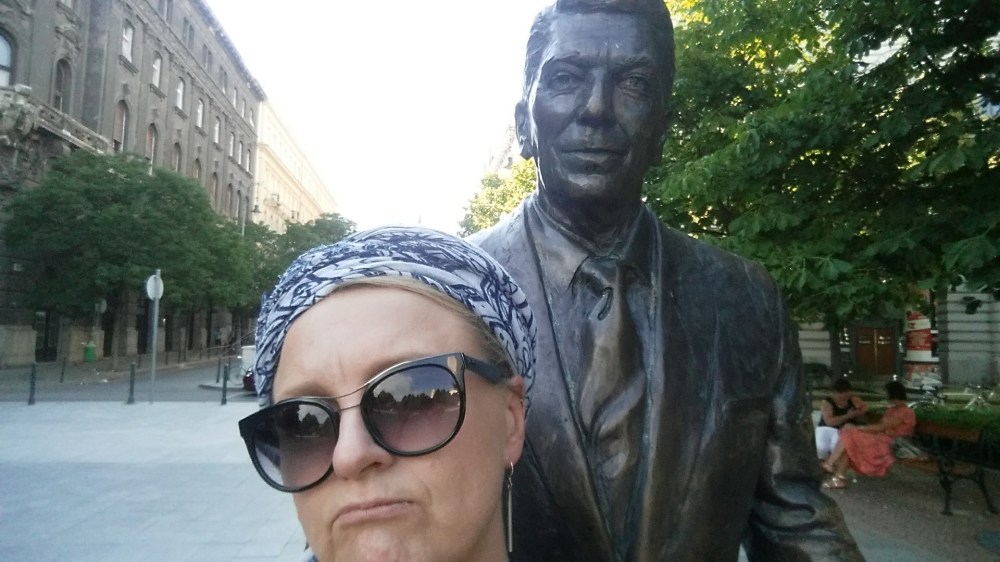
And here is me and righteous Ronald Reagan in Hungary. I am also, not quite sure why.

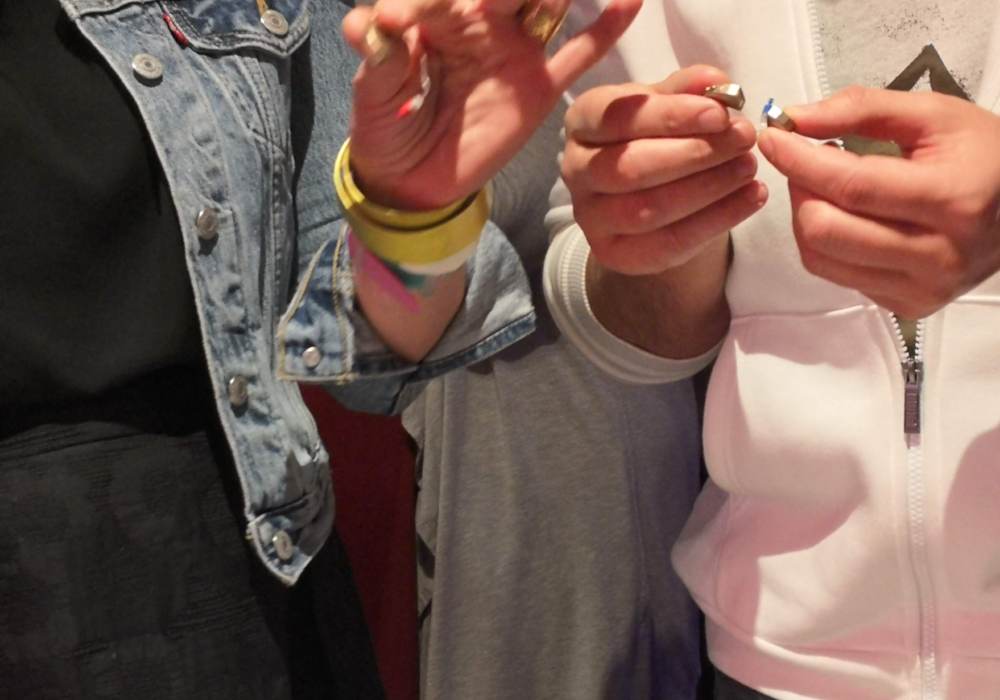
Maker-workshop on Near-Field Communications (NFC) in fashion
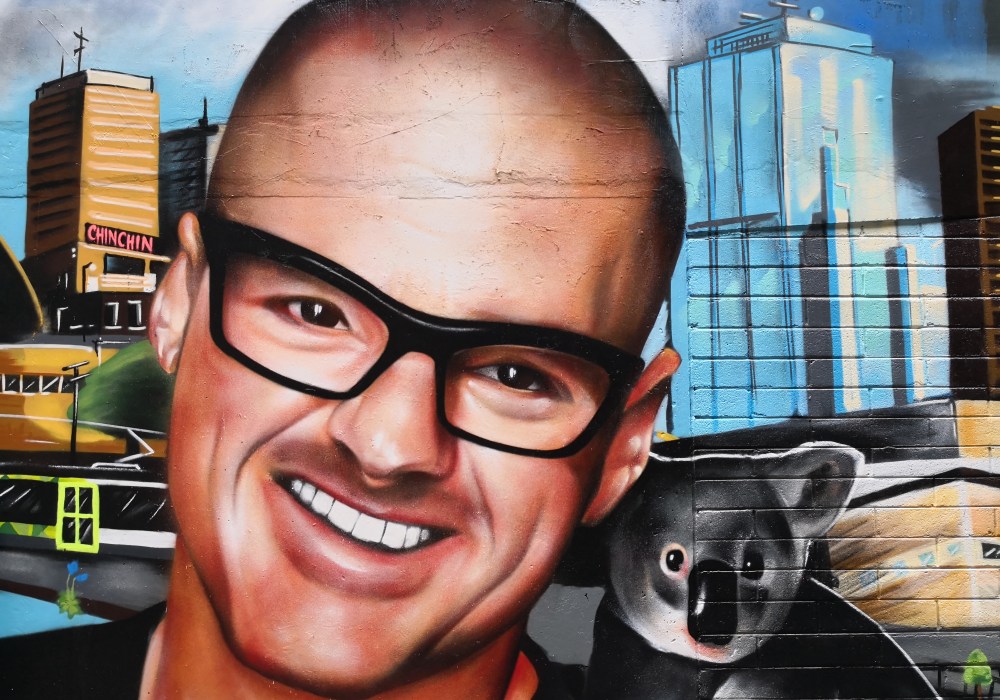
Check out this Meetup with Sarah Richards, the force behind Content Design, user centred content and UK.Gov
Presented by the Melbourne Web Accessibility & Inclusive Design http://meetu.ps/e/FW2mz/66ySd/d
This week I became the lucky recipient of a set of Metaverse Makeover nails.
What are Metaverse Makeover nails you ask?
Good question.
Before we get to that though, may I take a moment to dwell on the joy of hearing one’s name called out in a raffle draw?
It’s so unexpected that I would win something in a game of chance, that I am thrilled, and squealing like a child, even though there is a high probability that I will not be using my metaverse nails anytime soon, for reasons I can explain.
To put it simply, they’re fake nails. But, there’s more to them than that. Their point of difference, as explained by their creator, Thea Baumann, an Australian based in China, is a little more complicated.
They are “collectible fashion accessories powered by a 3D app: triggering hologram stickers you can wear, play, snap, and share.”
More significantly, they presage a future in which scanning people, animals, objects with a device will reveal something hidden about them, a bit like Pokemon Go, the next generation.
Imagine a world in which you can portray yourself the way you want others to see you, without limits. Except perhaps for screen size and processing power.
In the future 3D interactive holographics will augment your appearance whenever your wearables interface with the right app. All kinds of animations and effects will attach to you that you can show off and share them with others: starting with your wardrobe and make up: clothing, face and hair, but it could be a body part, a gender or species change; a virtual designer outfit; a character or spider webs an invisible lassoo, or a combination of all of the above.
Thar be dragons, furries, plushies and pony boys and girls. Also a lot of Cosplay.
Think of it as Second Life branching out beyond the confines of its universes, islands and worlds and into your smart phone. Anything that can only be seen in the realm between the online and meat world, or whatever terms you’re personally inclined to call the two locations, when they are not united in the metaverse.
A bit like this BBC TV show is doing with Italian cities.
The interesting thing that Thea has pulled off is to make something holographic dynamically adhere to a small curved surface, that is, a finger nail. In doing the hard yards first, the rest should be a walk in the park. Although it is still a very new and very digital art driven project at the moment.
As I mentioned earlier, there is a high probability that I will not be using my metaverse nails anytime soon, but that’s not their fault at all.
True. In real life the nails are heavy and plastic looking. The ones I’ve selected are neon pink and leopard printed (as opposed to the unicorns featured in the video, which were also an option) and it’s fair to say that they’re not really consistent with the environments I tend to work in, now that I don’t work in the arts. Then there is the fact that I am nearer to fifty than forty which is frankly, disgraceful.
But the bigger reason is that I am a confirmed nail fail.
The only reason I’ve never used fake nails, (and am unlikely to use these ones, aside from enjoying them being in pristine condition), is because I’m told that they leave your real nails in terrible condition. And believe me when I tell you that the last thing my existing nails need is to be even worse off than they are. I stopped biting them when I finished high school and despite another half a lifetime passing by, they remain steadfastly horrible, no matter how much attention and professional care is lavished on them. They are weak, prone to breaking and always uneven. They have a weird shape.
I am impressed by the tech and interested to see who turns out to be the market for pieces and I wonder what the coding and programming skills are that are necessary to design augmented fashion products.
I would love to know and try it out.
Not far wrong…
I’m several weeks into living as a digital nomad in my home town. As can be seen from the calendar, I’m successfully hacking the city, numerous times a day.
(For those of you who haven’t kept up, I spent 2017 and the first half of this year, traveling the world with some self-styled ‘digital nomads,’ researching the future of work, ‘learning by doing,’ and seeing All of the Things.)
Now that I’m home, the project continues.
On Wednesday I attended Experimenta Social’s wearable technologies event, where the amazing Dr Leah Heiss, talked about her current projects, the commercialisation pipeline and how she arrived at her career and PhD in designing what you might call ‘medical jewellery’.
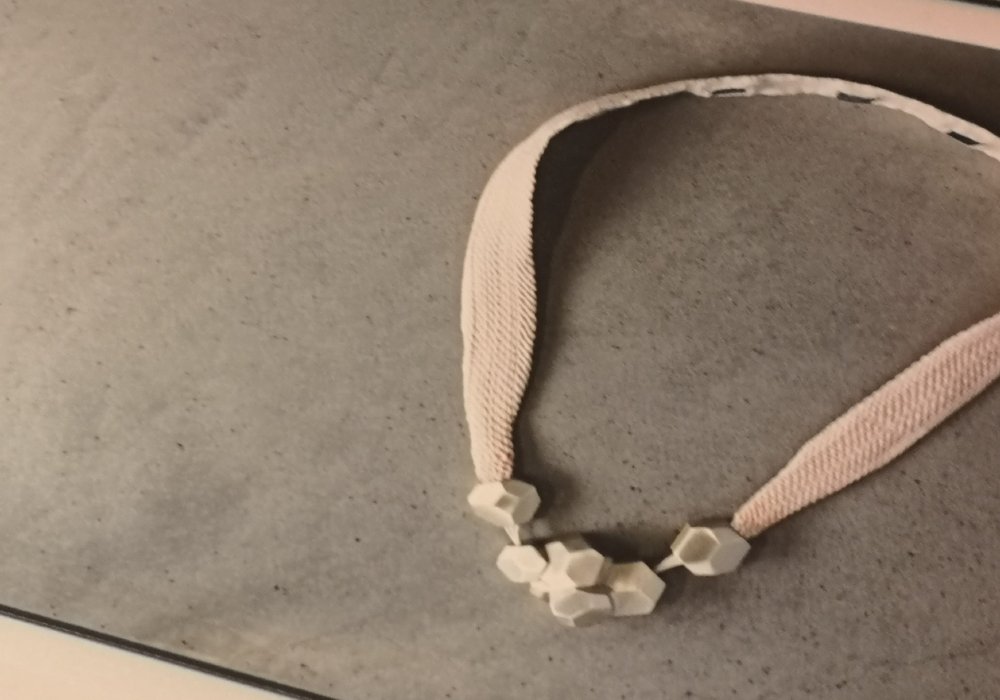
Below is an image of a prototype jewell for delivering insulin.
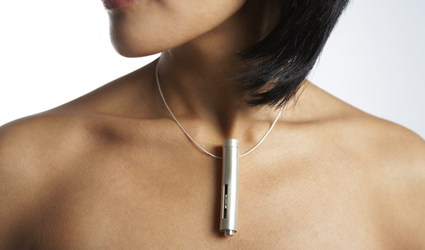
Experimenta have been one of my favourite sources of ideas, possibilities, artefacts and images of the future since I was a university student. This year, they have just one more social in the calendar. For those of you microhacking (the eat, drink and learn afterwork crew and the nomads of Melbourne), this one is a top spot.
I first met Leah at an event called Human 2.0
It’s people like Leah who’ve made me realise that the aspirations I had to becoming a fashion designer when I was a teenager, that were crushed out of me as impossible, by people who had the best of intentions, haven’t ever really gone away in any meaningful sense.
They’ve been sublimated into my career as a public sector problem solver and someone who researches, consults on, designs and implements change and business improvement.
Imagine a world in which your heart rate monitor wouldn’t look out of place at fashion week, and in which your hearing aids can be colour-coordinated to your outfit, in which medical devices are attractive and beautiful objects and not flesh-coloured, ugly looking lumps and bumps.
Leah’s Facett hearing aid design, which is being sold by Blamey Saunders Hears, and is inspired by the geological collection housed at the State Museum, is so much more than that.
One of the greatest health challenges treating practitioners face is patient compliance.
The teenager who won’t take their medication because it’s uncool. The elderly ambulant who doesn’t always wear their falls button when they get up at night because it’s cumbersome to put on. The self consciousness that comes from having a heart rate monitor strapped to you, when you’re at work and going about your ‘normal’ day.
Jewellery functions as an outward expression of the self. It says things about your taste and who you are, that can be read by people from a distance. It signals something more than the sum of its parts. To be great, a piece of jewellery should touch the heart of the wearer, and say something to the wider world that needs no words to be read and understood. It can be quite profound (‘I am married’ for example.)
Leah is aiming to turn functional devices into attractive items that people want to wear and that other people seeing them will admire as beautiful creations.
Design is more than just aesthetics. It’s a way of looking at the world that strives for simplicity and efficiency, improved and better functionality, the way materials and shape and form contribute to or detract from an end result.
If you’ve ever watched an elderly relative change the battery in their hearing aid, or been asked to change one, imagine a world in which you’ve waited several days in deafness, because taking a new battery out of a blister pack is just too fiddly for you to manage at your age.
A ninety year old has less than perfect hand/ eye coordination. The default design of hearing aids, the design of battery blister packs and the trouble that even sighted people have in changing them over – because it is fiddly and easily muckable: (tell me I’m the only one who’s put the the old and the new battery down side by side and not know which one is which) and the picture of the problems that Leah is aiming to solve becomes clear.
Leah’s hearing aid design incorporates magnetised rechargeable batteries that snap in and out and form the entire lower half of the hearing aid.
The batteries dock in a kidney shaped box reminiscent of the hearing aid’s shape. This acts as a visual reminder to anyone looking at it what the box is for and what it does, which is helpful. You only need to look at it to know that it belongs with the hearing aid.
Because they’re magnetised is becomes more difficult to accidentally drop one and it becomes easier to pick it back up again.
This is brilliant engineering that resolves a real world problem.
Love it!
If you missed Experimenta last night, do not despair. Check out this Meetup with RMIT Innovation and Entrepreneurship Research Group http://meetu.ps/e/FY1LD/66ySd/d
24 October PM join a panel of experts and the Victorian Law Foundation discussing whether sport and the law should be more like one another or not.
“Sport has its own codes of behaviour and its own judicial processes – which at times seem at odds with the general community. Issues like assault, bullying, drugs and discrimination can be managed differently on the field and off.”
Register here

One for all the would-be writers.
https://www.eventbrite.com.au/e/getting-published-for-the-first-time-tickets-51131648136?aff=eand
 Tech and the City
You must be logged in to post a comment.